Tile Regrouting for Enhanced Durability
Tile regrouting is a maintenance process that involves removing old grout and applying fresh material to improve appearance and functionality. Timing is essential to maximize the durability and aesthetic appeal of tiled surfaces. Proper scheduling can prevent water infiltration, mold growth, and tile damage, which are common issues caused by deteriorated grout.
Regrouting is best performed during dry, mild weather to ensure proper curing and adhesion. Avoid regrouting during high humidity or rainy seasons to prevent moisture-related issues.
Regrouting should be considered when grout lines show cracks, discoloration, or mold growth. These signs indicate the grout is no longer effective at sealing tiles.
Typically, grout can last between 5 to 10 years depending on usage and exposure. Regular inspections can help identify the optimal time for regrouting before significant damage occurs.
High moisture areas like bathrooms and kitchens may require more frequent regrouting to prevent water damage and mold development.
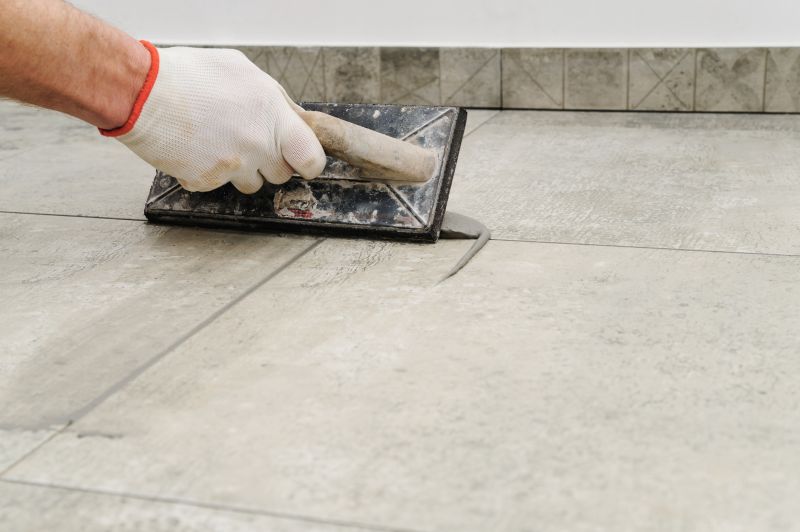
Images showcasing the regrouting process in various settings.
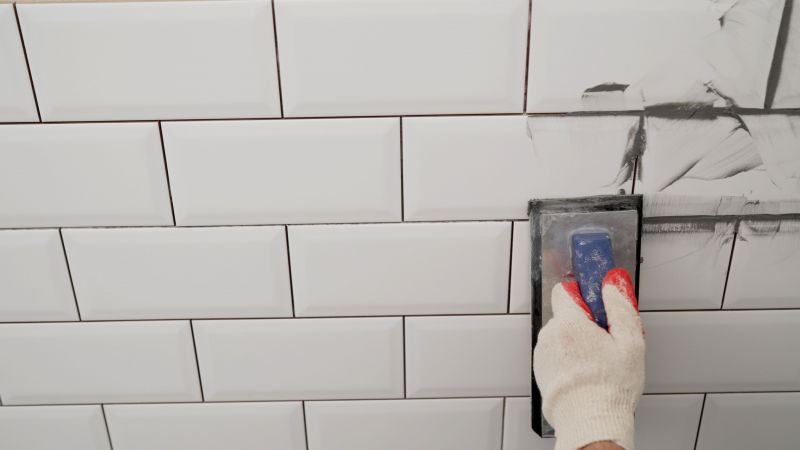
Visual comparison of tiled surfaces pre- and post-regrouting.
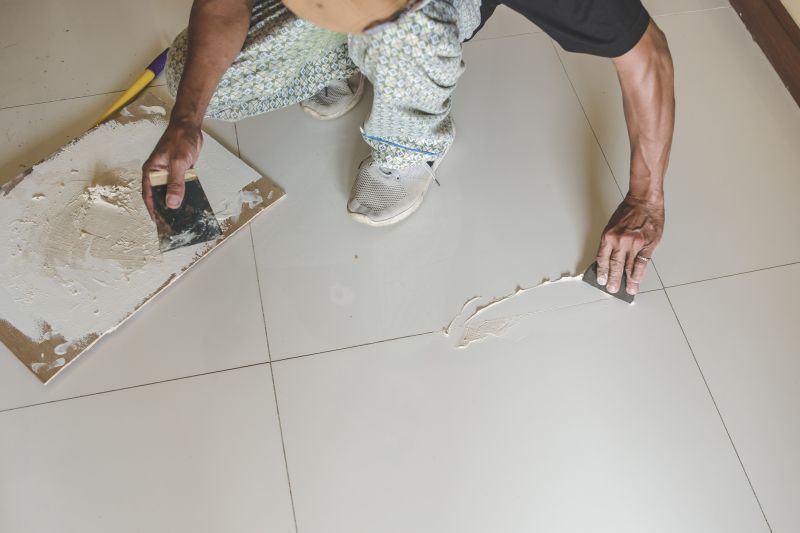
Different tools and materials involved in the regrouting process.
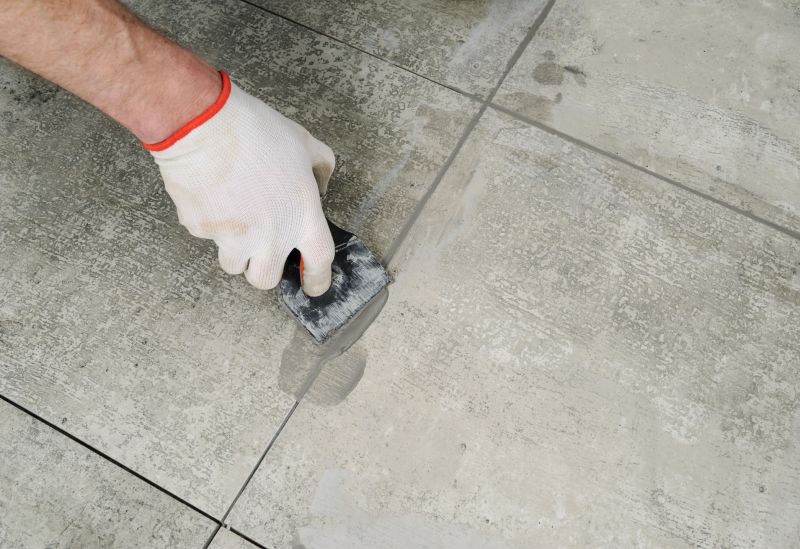
Ways to make Tile Regroutings work in tight or awkward layouts.
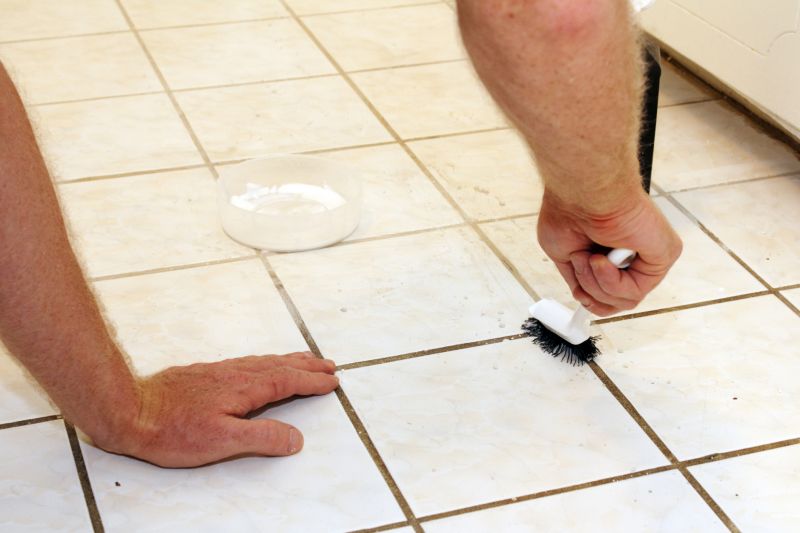
Popular materials for Tile Regroutings and why they hold up over time.
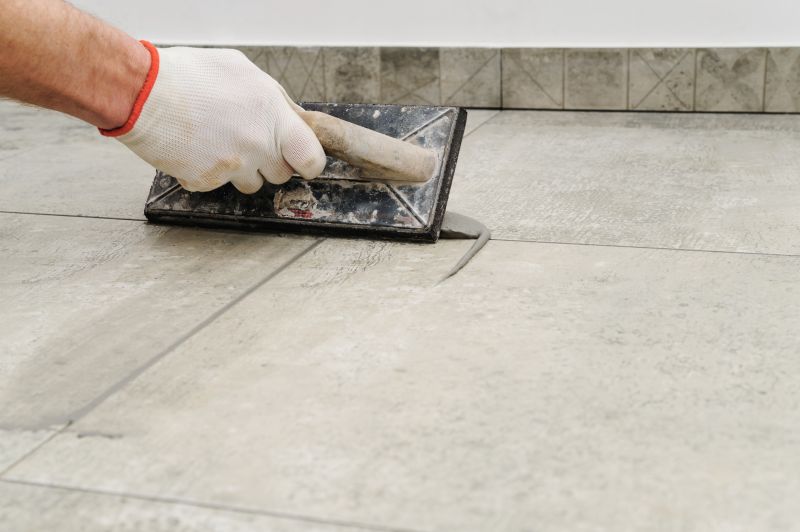
Simple add-ons that improve Tile Regroutings without blowing the budget.
| Factor | Recommendation |
|---|---|
| Climate Conditions | Perform regrouting during dry, mild weather |
| Grout Deterioration Signs | Regrout when cracks, discoloration, or mold appear |
| Usage Frequency | Reevaluate every 5-10 years based on tile area |
| Moisture Levels | Increase frequency in high humidity areas |
| Preparation Status | Schedule after cleaning and sealing |
| Seasonal Timing | Avoid regrouting during rainy or humid seasons |
| Tile Condition | Regrout before tiles show damage |
| Maintenance Routine | Inspect periodically for early signs of deterioration |
Timely regrouting maintains the integrity and appearance of tiled surfaces, preventing costly repairs and preserving property value. Regular inspections and understanding environmental influences are key to determining the optimal timing for regrouting projects.
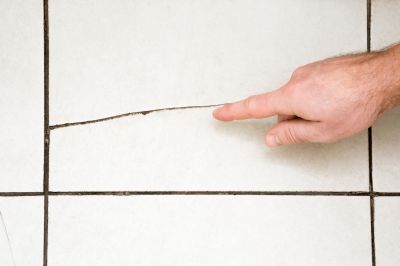
Detailed image showing cracks and mold in grout lines.
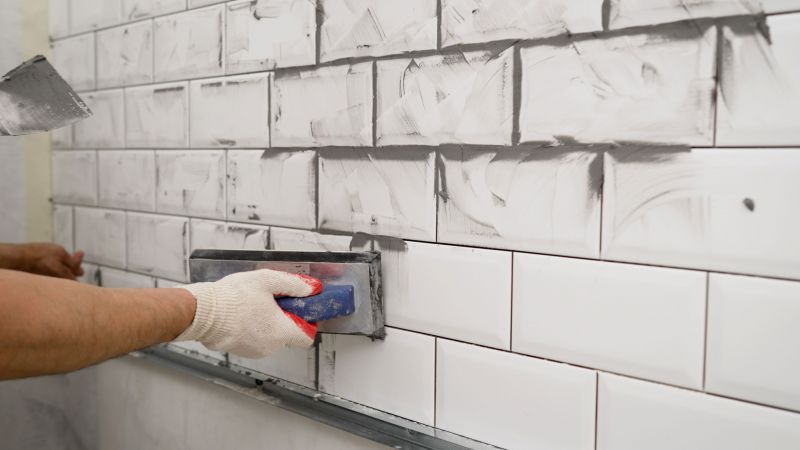
Step-by-step visuals of regrouting in a kitchen setting.
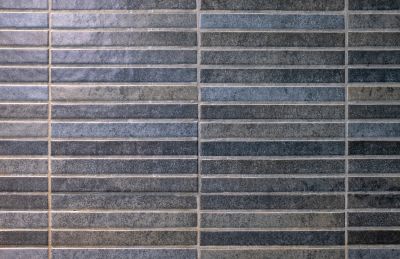
Finished surface showcasing clean, sealed grout.
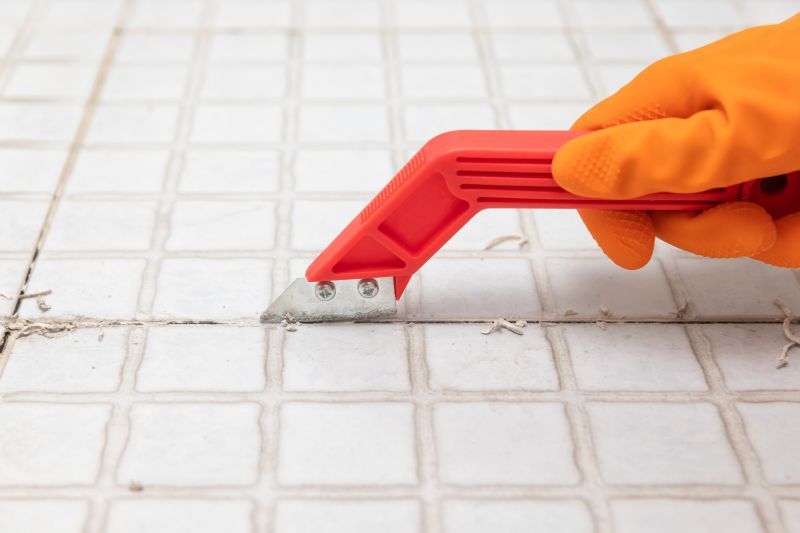
Collection of tools used in the regrouting process.
Interested in scheduling a tile regrouting service? Filling out the contact form can provide more information and help determine the best timing for individual needs.