Enhance Your Tile Appearance with Regrouting
Tile regrouting is an essential maintenance process that restores the appearance and integrity of tiled surfaces. Over time, grout can become stained, cracked, or deteriorated, leading to unsightly gaps and potential water damage. Proper regrouting enhances the durability of tile installations and prolongs their lifespan, making it a cost-effective solution for both residential and commercial spaces.
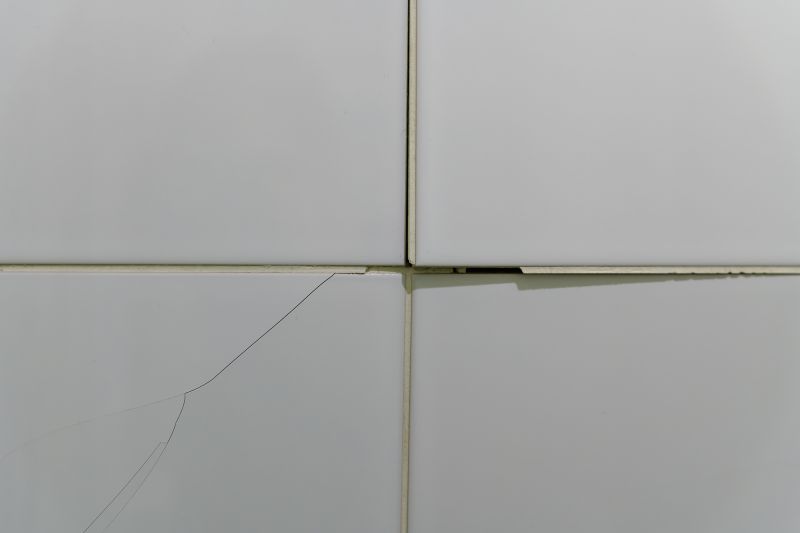
A tiled surface with stained, cracked grout showing signs of wear.
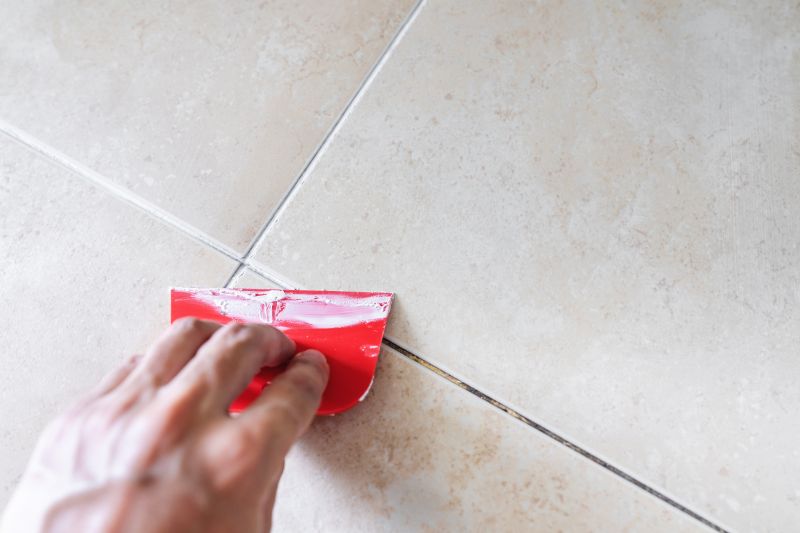
Professional application of fresh grout to restore the surface's appearance.
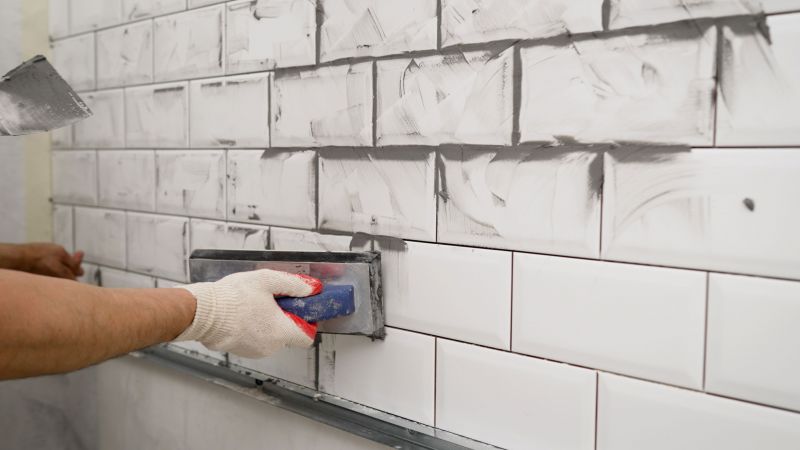
A clean, seamless tiled area showcasing the effectiveness of regrouting.
Statistics indicate that regrouting can extend the life of tiled surfaces by several years, preventing the need for costly replacements. On average, professional regrouting projects take between one to three days, depending on the size and complexity of the area. This process involves removing old grout, cleaning the joints thoroughly, and applying new grout with precision to ensure a uniform finish.
Hiring a professional for tile regrouting offers numerous advantages. Experts have the skills and tools necessary to complete the job efficiently and with minimal disruption. They also ensure proper sealing, which prevents moisture infiltration and mold growth. Proper regrouting not only improves aesthetics but also enhances the structural integrity of tiled surfaces, making it a worthwhile investment.
Regrouting Techniques and Materials
Different regrouting techniques are used based on the type of tile and grout. Sanded grout is typically used for wider joints, while unsanded grout is suitable for narrower gaps. The choice of materials impacts the durability and appearance of the finished surface. Modern epoxy grouts offer resistance to stains and moisture, making them ideal for high-moisture environments such as bathrooms and kitchens.
Sanded grout is used for wider joints, providing strength and flexibility. Unsanded grout is preferred for narrow joints to prevent cracking.
Epoxy grout resists stains, moisture, and mold, offering a long-lasting finish for tiled surfaces.
Applying a sealant post-regrouting protects against moisture penetration and staining.
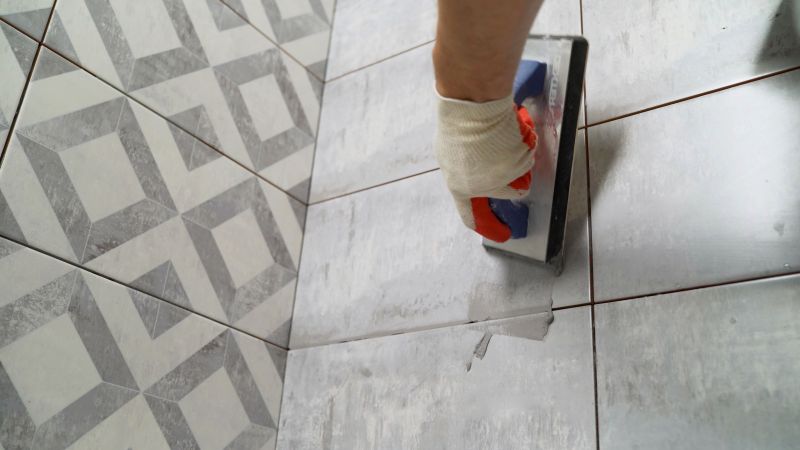
Technicians carefully remove old grout and apply new material.
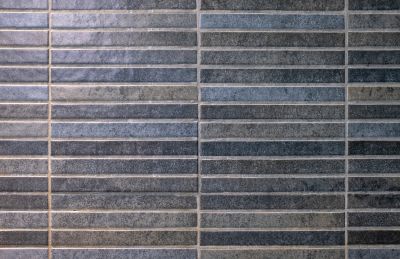
Completed regrouting with a clean, sealed finish.
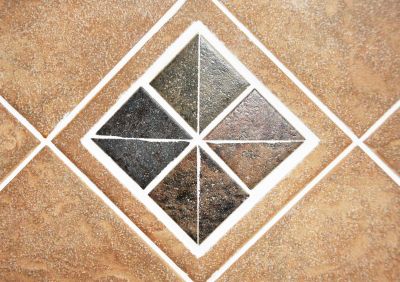
Detailed view showing uniform grout lines and smooth surface.
Properly executed regrouting can significantly improve the appearance of tiled areas, making them look new and well-maintained. The process also helps prevent water infiltration, which can cause damage behind the tiles. Regular regrouting is recommended every few years, depending on the environment and usage, to maintain optimal surface integrity.
Benefits of Professional Tile Regrouting
Professional regrouting ensures the job is completed efficiently and to a high standard. Experts use specialized tools and techniques to remove old grout thoroughly and apply new grout evenly. This reduces the risk of future cracking or staining. Additionally, professionals can identify underlying issues such as water damage or loose tiles that may require attention, preventing future problems.
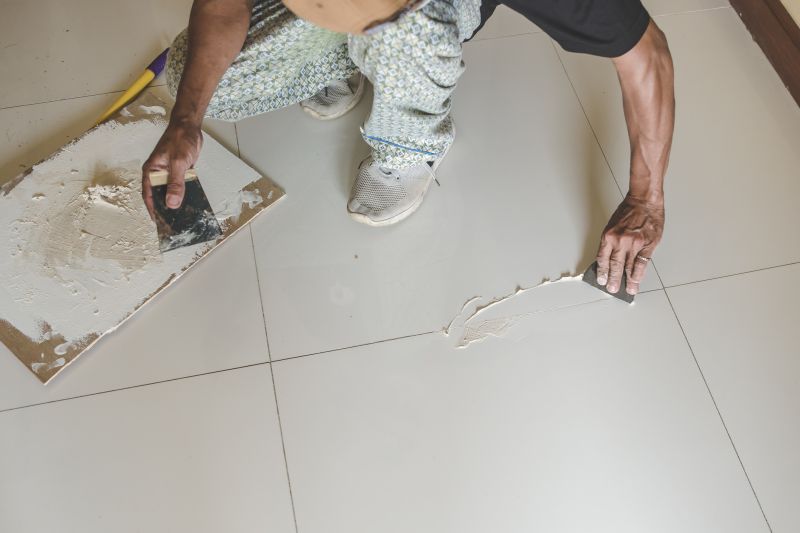
Skilled technicians applying precise grout lines for a seamless finish.
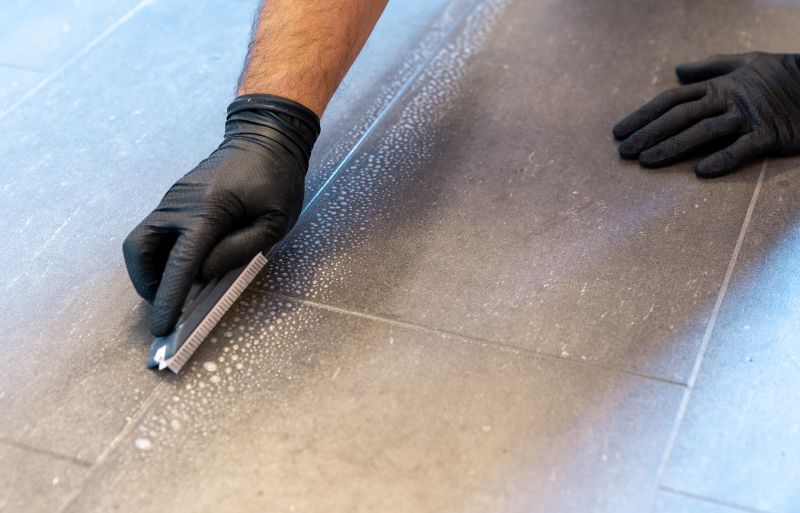
A pristine, regrouted surface that looks like new.
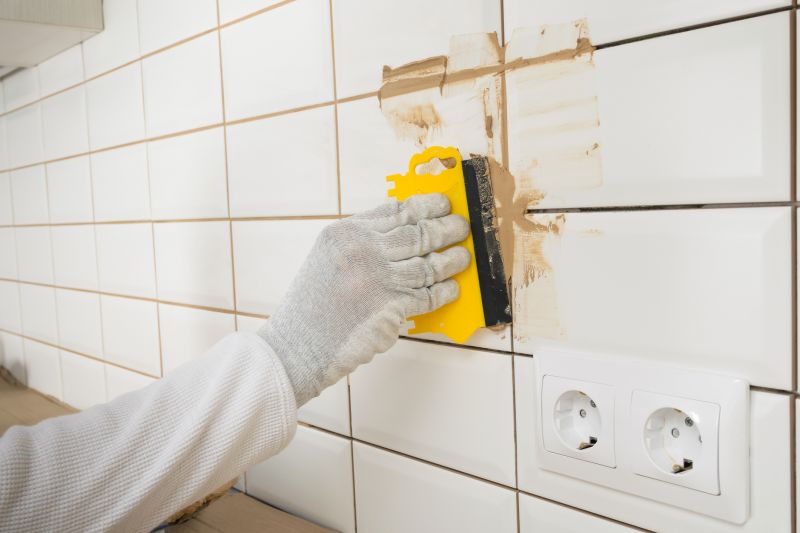
Specialized tools used for efficient and clean application.
Choosing professional services for tile regrouting minimizes downtime and ensures the longevity of tiled surfaces. Proper sealing and finishing techniques help maintain the surface’s appearance and functionality over time. Regular maintenance and regrouting can significantly reduce repair costs and preserve the value of tiled areas.