
Top Products For Tile Regroutings To Restore Your Surfaces
Explore the leading tools and supplies that make tile regrouting easier, more effective, and long-lasting for any project.
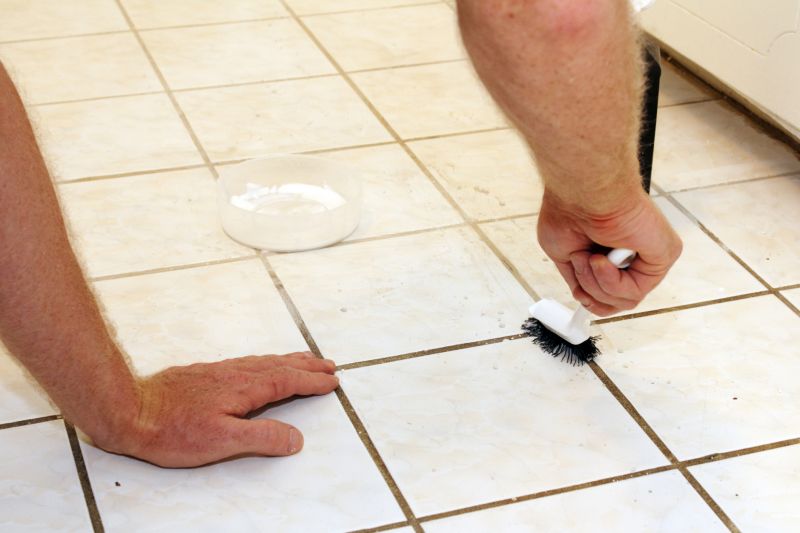 Tile regrouting is a common maintenance task that can refresh the appearance of tiled surfaces in kitchens, bathrooms, and other areas. Over time, grout lines can become discolored, cracked, or crumbly, affecting both the aesthetic and structural integrity of tiled surfaces. Selecting the right products for regrouting involves understanding the different types of materials and tools available to ensure a durable and visually appealing result.
Top Overall Option
Universal Regrout Compound
A versatile, user-friendly grout formulation designed for a wide range of tile types and environments. It offers good adhesion, stain resistance, and ease of application, making it suitable for both DIY enthusiasts and professionals. Its neutral color options and smooth consistency help create clean, uniform grout lines that can enhance the appearance of tiled surfaces.
Types of Products For Tile Regroutings
Pre-mixed Grout
Ready-to-use grout that simplifies application, ideal for quick projects and small areas.
Powdered Grout Mix
Customizable grout powder that requires mixing with water, offering flexibility in color and consistency.
Epoxy Grout
A highly durable, chemical-resistant grout suitable for high-moisture or heavy-use areas.
Sanded Grout
Contains sand for filling wider joints, providing strength and stability.
Unsanded Grout
Ideal for narrow joints, offering smooth application and a fine finish.
Mold-Resistant Grout
Formulated to resist mold and mildew growth, suitable for bathrooms and kitchens.
Stain-Resistant Grout
Designed to resist staining from spills and dirt, maintaining a clean look over time.
Color-Enhancing Sealant
Applied over grout to deepen color and provide additional protection against stains.
Grout Removal Tools
Specialized tools like rotary tools and scrapers for removing old grout efficiently.
Grout Sponges and Cloths
Essential for cleaning excess grout and smoothing lines during application.
Grout Colorants
Products that allow for changing or restoring grout color without regrouting entirely.
Sealing Sealants
Products used after regrouting to seal the grout and prevent moisture penetration.
Popular Choices
A widely used grout suitable for various tile applications, appreciated for its ease of use.
Chosen for its durability and resistance to stains, especially in high-traffic areas.
Popular for bathrooms and kitchens where moisture control is a priority.
Available in a variety of shades to blend seamlessly with existing tiles.
Convenient for small projects and quick repairs, with minimal preparation needed.
Often selected for wider joints to ensure stability and crack resistance.
Preferred for narrow joints, providing a smooth finish.
Ideal for areas prone to spills and dirt accumulation.
Designed to accommodate slight movements in the substrate, reducing cracking.
Popular for prolonging the life and appearance of regrouted surfaces.
Essential for preparing surfaces before applying new grout.
Regrouting products typically include specialized grout compounds designed for various tile types and environments. These compounds can be pre-mixed or in powder form that requires mixing with water. Proper application tools such as grout floats, applicator brushes, and sponges are essential for achieving clean, even lines. Additionally, some products are formulated to improve adhesion, resist stains, or facilitate easier cleanup, making the regrouting process more manageable.
When considering regrouting, it is important to assess the current condition of the grout, the type of tile, and the environment in which the tiles are installed. For instance, high-moisture areas like showers may require waterproof or mold-resistant formulations. Surface preparation is also crucial; cleaning and removing old grout thoroughly can help new grout adhere properly and last longer. Choosing compatible products and following manufacturer instructions can significantly influence the longevity and appearance of the regrouted surface.
Overall, regrouting is a practical way to restore the look of tiled surfaces without the need for complete tile replacement. With the right products and techniques, it is possible to achieve a professional-looking finish that enhances the overall aesthetic of the space. Whether tackling a small bathroom or a large tiled area, understanding the options available can help ensure a successful regrouting project.
Key Buying Considerations
- Determine the type of tile and grout to select compatible products.
- Assess whether the area is exposed to moisture, requiring waterproof or mold-resistant formulations.
- Choose between pre-mixed or powdered grout based on project size and preference.
- Consider the width of grout joints to select sanded or unsanded options.
- Evaluate the color options available to match or complement existing tiles.
- Look for products with stain and mold resistance if the area is prone to moisture or dirt.
- Check application tools included or recommended for easier handling and smoothing.
- Consider the drying and curing times to plan your project timeline accordingly.
- Decide if sealing is necessary post-application for added protection.
- Review product labels for suitability in high-traffic or high-moisture environments.
- Think about the longevity and maintenance requirements of the grout product.
- Ensure proper surface preparation to optimize adhesion and durability.
- Look for user reviews or ratings to gauge ease of use and effectiveness.
- Verify if the product is suitable for both indoor and outdoor use if needed.
- Assess the environmental conditions, such as temperature and humidity, during application.